
Website Development Services: Types, Benefits & How to Choose the Right One
Website development has evolved dramatically over the past decade. What once required extensive coding knowledge and expensive tools is now accessible to businesses of all sizes through diverse website development services. However, the wide array of options, platforms, and approaches can be overwhelming. This comprehensive guide breaks down the landscape of web development services, helping you understand what’s available and how to choose the perfect solution for your business.
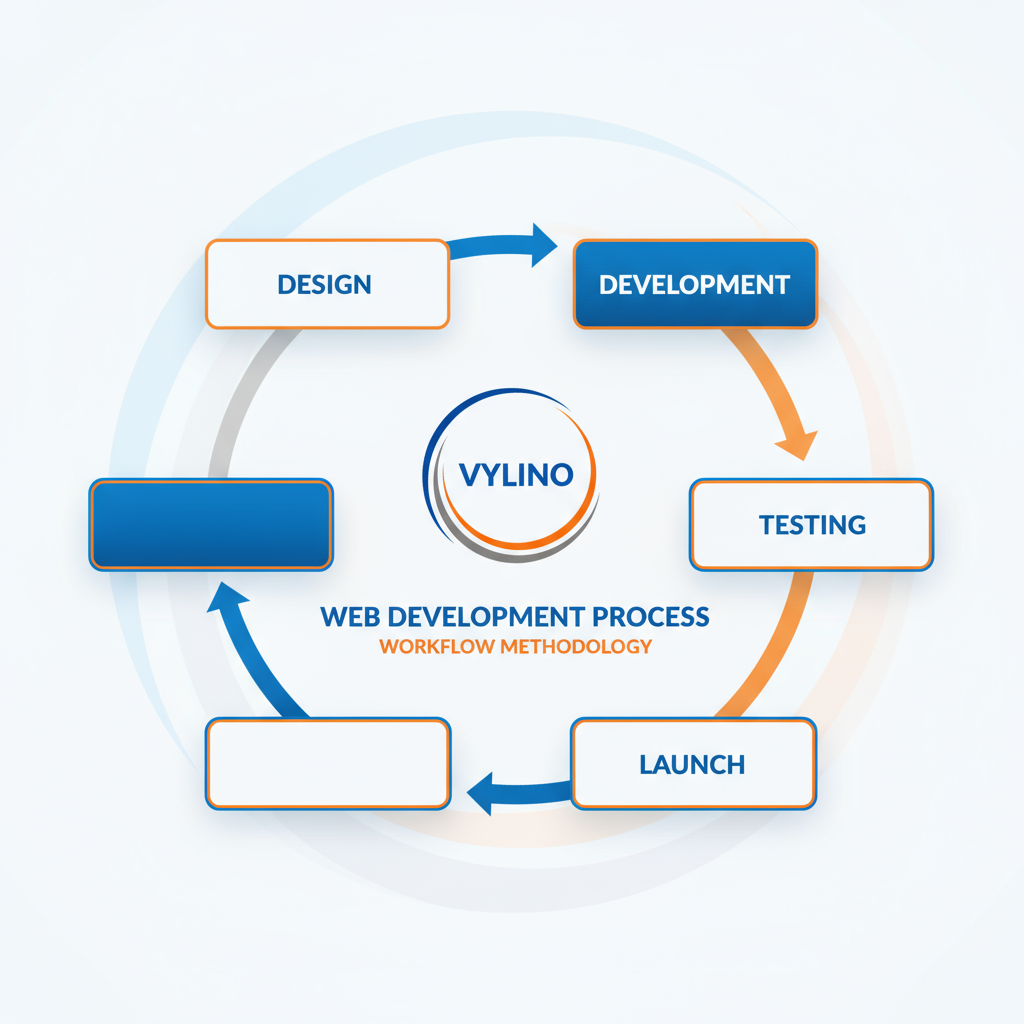
What Are Website Development Services?
Website development services encompass all technical and strategic aspects of creating functional, scalable, and secure websites. Unlike web design (which focuses on visual aesthetics and user interface), web development deals with the underlying architecture, coding, database management, server configuration, and all systems that make a website function properly.
Core components of website development services include:
-
Front-end development (what users see and interact with)
-
Back-end development (server-side logic and databases)
-
Database design and management
-
API development and integration
-
Content management system integration
-
E-commerce functionality
-
User authentication and security
-
Performance optimization
-
Testing and quality assurance
-
Deployment and hosting management
Why Professional Website Development Services Matter
Technical Expertise
Building a website involves numerous technical considerations: browser compatibility, security protocols, database optimization, server configuration, and scalability planning. Professional developers understand these complexities and implement best practices that DIY builders often miss.
Scalability and Future Growth
A website built by amateurs might work initially but often fails to scale as your business grows. Professional website development services architecture websites to handle increased traffic, expanded functionality, and future requirements without needing complete rebuilds.
Security and Data Protection
Cyber threats are escalating constantly. Professional developers implement security measures including SSL certificates, secure authentication protocols, data encryption, and regular security audits—protecting your business and your customers’ data.
Performance and Speed
Website speed directly impacts user experience, conversion rates, and search rankings. Professionals optimize code, implement caching strategies, use CDNs, and employ numerous techniques to ensure your site loads quickly across all conditions.
SEO Optimization
Technical SEO—implemented during development—is crucial for search ranking success. Professional developers understand how to structure code for search engines, implement proper schemas, optimize site architecture, and build SEO-friendly websites from the ground up.
Learn more about optimizing your website for search engines in our article on SEO-friendly website design principles.
Website Development Services List: What Should Be Included?
Understanding what’s included in comprehensive website development services helps you evaluate proposals and avoid missing critical components.
Discovery and Planning Phase
-
Requirements gathering and business analysis
-
Target audience research and personas
-
Competitor analysis
-
Technology stack recommendations
-
Site architecture planning
-
Content strategy development
-
Security assessment
Development Phase
-
Front-end development (HTML, CSS, JavaScript, modern frameworks)
-
Back-end development (server-side programming)
-
Database design and implementation
-
CMS integration and customization
-
API development and third-party integrations
-
Payment gateway integration (if needed)
-
User authentication systems
-
Admin panel development
Quality Assurance
-
Functional testing across browsers and devices
-
Performance testing
-
Security testing and vulnerability assessment
-
Cross-device testing
-
User acceptance testing
-
Regression testing
Optimization and Launch
-
Performance optimization
-
SEO implementation
-
Security hardening
-
CDN setup
-
Analytics implementation
-
Final client training
-
Deployment and launch coordination
Post-Launch Support
-
Monitoring and maintenance
-
Bug fixes and updates
-
Performance monitoring
-
Security updates
-
Technical support
-
Regular backups
Types of Website Development Services
Different business needs require different approaches. Understanding your options helps you make the best choice.
1. Custom Website Development
Best for: Businesses with unique requirements, large enterprises, specialized functionality needs
Characteristics:
-
Built from scratch according to your specifications
-
Complete customization possible
-
Maximum flexibility and control
-
Higher initial cost and longer timelines
-
Scalable and future-proof
-
Ownership of all code and assets
Ideal use cases: Enterprise solutions, complex applications, specialized industries, large e-commerce platforms
2. WordPress Development
Best for: Small to medium businesses, bloggers, content-focused sites
Characteristics:
-
Built on the world’s most popular CMS (43% of websites use WordPress)
-
Extensive theme and plugin ecosystem
-
Cost-effective and faster deployment
-
Easy content management for non-technical users
-
Good balance of customization and ease-of-use
-
Large community and abundant resources
Ideal use cases: Business websites, blogs, small e-commerce stores, portfolio sites, media sites
3. E-commerce Development
Best for: Online retailers, businesses selling products or services
Characteristics:
-
Specialized shopping cart and checkout functionality
-
Product catalog management
-
Inventory system integration
-
Payment gateway integration
-
Order management systems
-
Customer account functionality
-
Analytics and reporting tools
Ideal use cases: Online stores, digital product platforms, B2B marketplaces, subscription services
For comprehensive e-commerce guidance, see our e-commerce website development guide.
4. Progressive Web Apps (PWAs)
Best for: Businesses wanting app-like experiences on the web
Characteristics:
-
Work offline with cached content
-
Install-able on home screens
-
Push notifications capability
-
Fast loading even on slow connections
-
Native app-like experience
-
Lower development cost than native apps
Ideal use cases: News apps, productivity tools, real-time applications, mobile-first businesses
5. Mobile App Development
Best for: Businesses requiring dedicated mobile applications
Characteristics:
-
Native or cross-platform development
-
Full access to device features
-
Superior performance potential
-
Can work offline
-
Direct app store presence
-
Higher development cost
Ideal use cases: Mobile gaming, resource-intensive applications, location-based services, messaging apps
6. Headless CMS Development
Best for: Businesses needing content across multiple platforms
Characteristics:
-
Content management separated from presentation layer
-
APIs provide content to websites, apps, and other platforms
-
Maximum flexibility in frontend development
-
Content reuse across channels
-
More complex setup and management
-
Higher development cost
Ideal use cases: Multi-channel content distribution, enterprise solutions, omnichannel businesses
Website Development Technology Stack
Understanding the technologies used in website development helps you evaluate expertise and capabilities.
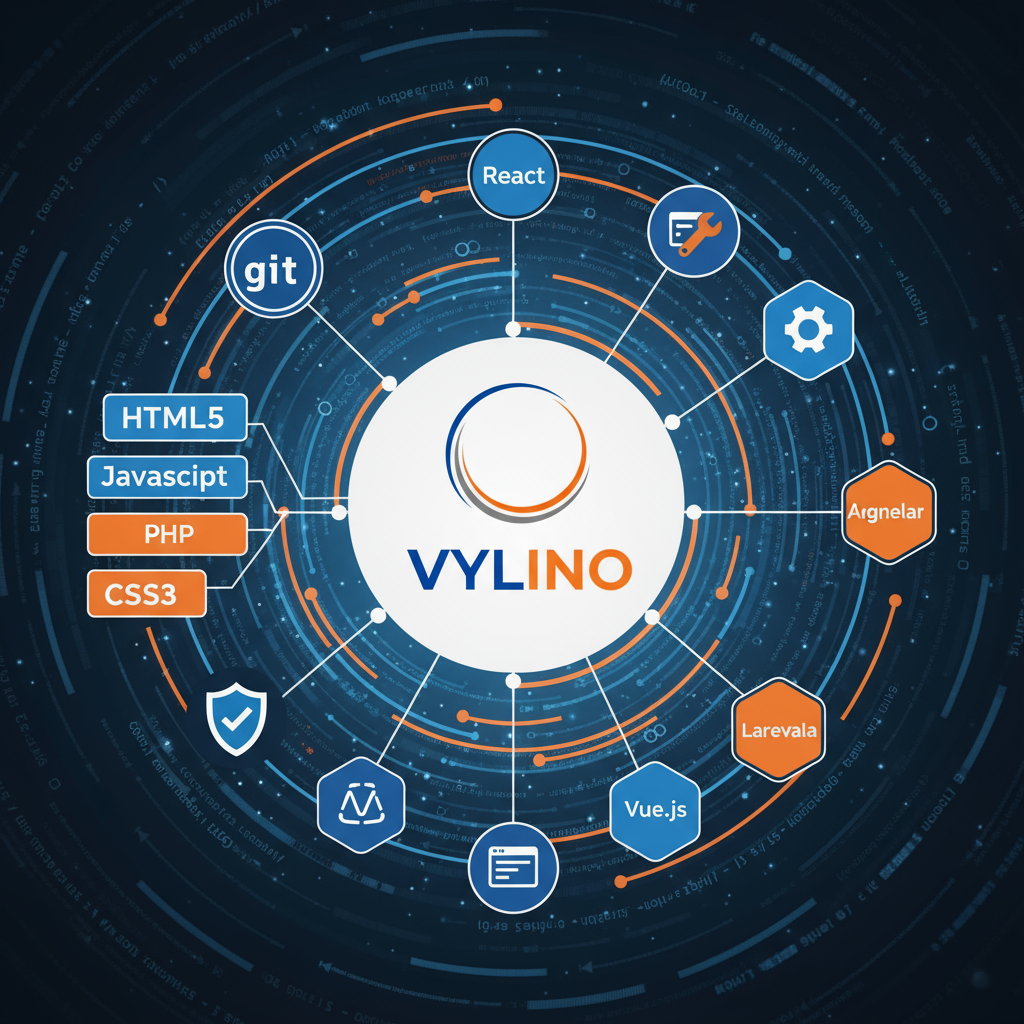
Front-end Technologies:
-
HTML5, CSS3 for structure and styling
-
JavaScript frameworks (React, Vue, Angular)
-
TypeScript for type-safe development
-
CSS preprocessors (SASS, LESS)
-
Build tools (Webpack, Gulp, Vite)
Back-end Technologies:
-
Server-side languages (PHP, Python, Node.js, Java, C#)
-
Frameworks (Laravel, Django, Express, Spring)
-
Database systems (MySQL, PostgreSQL, MongoDB)
-
APIs and microservices
DevOps and Infrastructure:
-
Version control (Git)
-
CI/CD pipelines
-
Cloud hosting (AWS, Azure, Google Cloud)
-
Docker and containerization
-
Server management
CMS Platforms:
-
WordPress
-
Drupal
-
Joomla
-
Magento
-
Custom solutions
Professional developers stay current with evolving technologies, implementing modern solutions that provide better performance, security, and maintainability.
How Much Do Website Development Services Cost?
Pricing varies dramatically based on complexity, features, and scope. Understanding cost drivers helps you budget appropriately.
Typical Cost Ranges (India-based services):
Simple Website (5-10 pages):
-
₹30,000 – ₹1,00,000
-
WordPress template-based site
-
Basic functionality
-
Timeline: 2-4 weeks
Business Website (10-20 pages):
-
₹1,00,000 – ₹3,00,000
-
Custom design with WordPress
-
Advanced functionality
-
Integration with business tools
-
Timeline: 4-8 weeks
E-commerce Website:
-
₹1,50,000 – ₹5,00,000
-
Product management system
-
Payment gateway integration
-
Inventory management
-
Timeline: 6-12 weeks
Custom Web Application:
-
₹3,00,000 – ₹20,00,000+
-
Completely custom development
-
Complex functionality
-
Database design
-
Timeline: 3-12 months
Enterprise Solutions:
-
₹20,00,000+
-
Highly complex requirements
-
Multi-team development
-
Extensive customization
-
Timeline: 12+ months
Factors Affecting Cost:
-
Complexity of features: Basic CRUD operations cost less than AI integration
-
Database requirements: Simple databases cost less than complex multi-table systems
-
Third-party integrations: Number and complexity of external system integrations
-
Team expertise: Senior developers typically charge more than junior developers
-
Timeline: Rush projects typically cost 20-30% more
-
Ongoing support: Maintenance and support contracts add to overall cost
-
Hosting and infrastructure: Shared hosting costs less than dedicated servers
-
Geographic location: Developers in different regions have varying rates
Website Development Services in India
India has become a global hub for web development services, offering cost-effective solutions without compromising quality.
Advantages of Indian web development services:
-
Cost-effective pricing: 40-60% less expensive than Western agencies
-
Large talent pool: Access to diverse technical expertise
-
24/7 availability: Timezone advantage for communication
-
Quality standards: Many ISO-certified companies
-
Portfolio diversity: Experience across industries and technologies
Considerations:
-
Communication clarity is crucial across time zones
-
Ensure clear contracts and defined deliverables
-
Verify company credentials and past work
-
Understand their quality assurance processes
-
Clarify support and maintenance terms
How to Choose Website Development Services
Selecting the right web development partner is crucial to project success.
1. Define Your Requirements
Before approaching any vendor, clearly document:
-
Website purpose and goals
-
Target audience
-
Required features and functionality
-
Timeline and budget
-
Scalability needs
-
Maintenance requirements
2. Evaluate Technical Expertise
-
What technologies and frameworks do they use?
-
Do they stay current with modern development practices?
-
What’s their experience with your industry?
-
Can they handle your project’s complexity level?
-
Do they understand modern development practices (version control, testing, CI/CD)?
3. Review Portfolio and Case Studies
-
Review their past projects relevant to your needs
-
Check if similar projects succeeded
-
Look for evidence of good design and functionality
-
Are their projects mobile-responsive?
-
Test the performance and user experience of their work
**4. Check Credentials and
-
How many years have they been in business?
-
What certifications do they hold?
-
Can they provide references from past clients?
-
Contact references and ask about their experience
-
Check online reviews on Google, Clutch, and GoodFirms
5. Assess Communication and Process
-
Is initial communication clear and professional?
-
Do they ask detailed questions to understand your needs?
-
What’s their project management process?
-
How frequent are status updates?
-
What communication channels do they use?
6. Understand Maintenance and Support
-
What post-launch support is included?
-
How are bugs reported and fixed?
-
What’s the response time for support requests?
-
Are ongoing maintenance services available?
-
What are the costs for ongoing support?
7. Evaluate Value, Not Just Price
-
Cheapest is rarely best in web development
-
Compare services and deliverables, not just costs
-
Consider long-term value and ROI
-
Cheap development often costs more to fix later
-
Invest in quality development for sustainable results
The Web Development Process: What to Expect
Understanding the typical development process helps set realistic expectations.
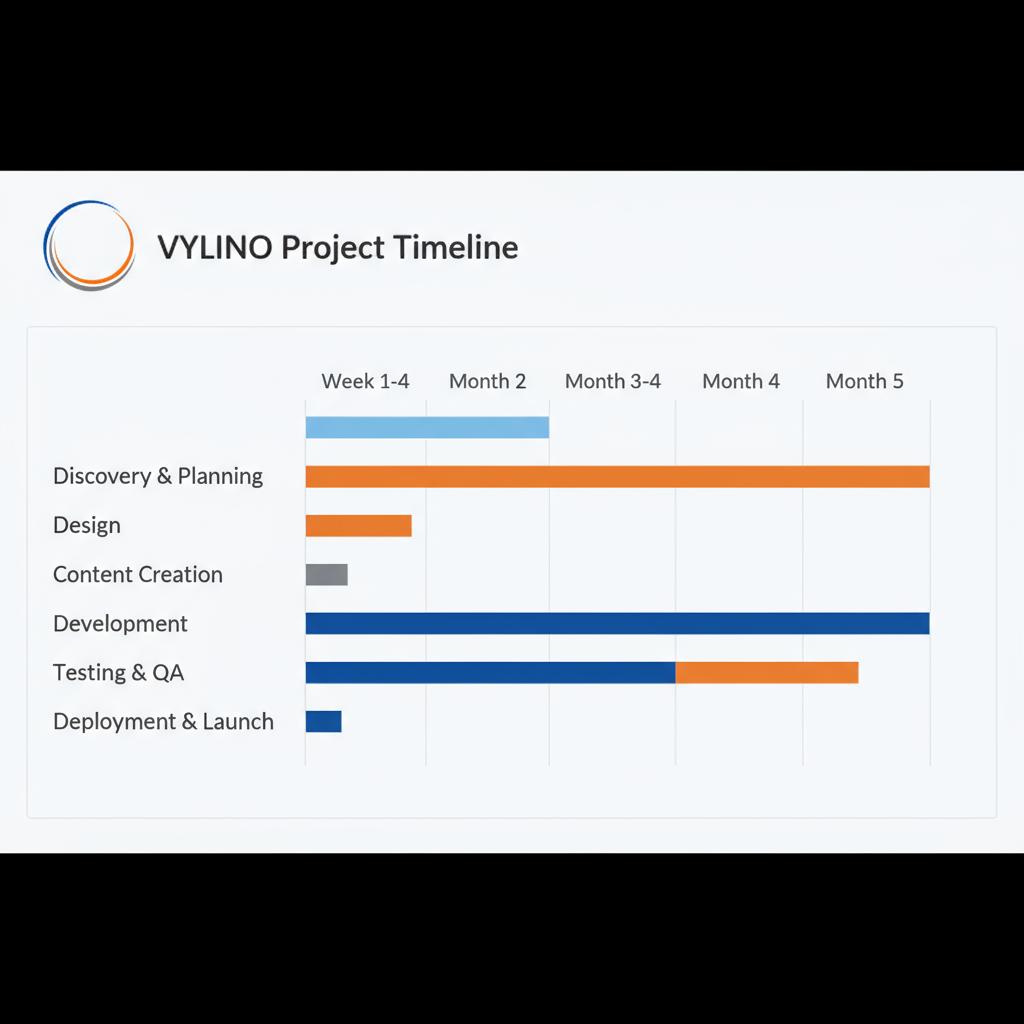
Phase 1: Discovery & Planning (1-2 weeks)
-
Requirements gathering
-
Target audience analysis
-
Competitive research
-
Technology recommendations
-
Timeline and cost finalization
Phase 2: Design & Prototyping (2-4 weeks)
-
UI/UX design
-
Wireframing
-
Design approval
-
Prototyping interactive elements
Phase 3: Development (4-12 weeks)
-
Front-end coding
-
Back-end development
-
Database development
-
CMS configuration
-
Third-party integrations
Phase 4: Testing (1-3 weeks)
-
Functional testing
-
Performance testing
-
Security testing
-
Cross-device testing
-
Bug fixing
Phase 5: Launch (1 week)
-
Final approvals
-
Domain and hosting setup
-
Database migration
-
Site deployment
-
Post-launch monitoring
Phase 6: Maintenance (Ongoing)
-
Regular backups
-
Security updates
-
Performance monitoring
-
Content updates
-
Technical support
Common Website Development Mistakes to Avoid
1. Insufficient Planning
Jumping into development without clear requirements leads to scope creep, cost overruns, and poor results. Invest time in planning.
2. Neglecting Mobile Optimization
Mobile-first design isn’t optional. Ensure responsive design is prioritized throughout development.
3. Poor Security Implementation
Security added after development is ineffective. Build security into the development process from the start.
4. Ignoring Performance Optimization
A beautiful website that loads slowly has high bounce rates. Performance must be integral to development, not an afterthought.
5. Inadequate Testing
Launching without comprehensive testing leads to bugs affecting user experience and business metrics.
6. Missing SEO Fundamentals
Technical SEO must be implemented during development. Adding SEO later is inefficient and incomplete.
7. No Ongoing Maintenance Plan
Websites require updates, security patches, and maintenance. Plan for ongoing support from launch.
Website Development Services vs. Website Builders
Website Builders (Wix, Squarespace, Weebly):
-
Lower cost
-
Quick setup
-
Limited customization
-
Scalability limitations
-
Ongoing subscription costs
-
Limited control over code
Professional Web Development:
-
Higher upfront cost
-
Full customization
-
Unlimited scalability
-
One-time investment
-
Complete code control
-
Better long-term ROI
For businesses needing serious functionality, professional development services deliver better long-term value.
The Future of Web Development
Emerging Trends:
-
AI Integration: AI for personalization, chatbots, and automation
-
Jamstack Architecture: Static site generation for better performance
-
Serverless Computing: Reduced infrastructure complexity
-
WebAssembly: Better performance for complex applications
-
Voice UI: Voice interface integration
-
Progressive Web Apps: App-like web experiences
-
Accessibility Focus: WCAG compliance as standard
Professional web development services providers stay current with these trends, ensuring your website remains competitive.
Conclusion: Investing in Professional Website Development
Website development services represent a critical business investment. The difference between a well-developed website and a poorly built one impacts user experience, conversion rates, search rankings, and overall business success.
When choosing website development services, prioritize expertise, proven results, and alignment with your business goals over cost alone. A professionally developed website serves your business for years, delivering returns far exceeding the initial investment.
Whether you’re starting from scratch or upgrading an existing site, professional web development is the foundation of digital success. Contact VYLINO today to discuss your website development needs and discover how we can help build a website that drives results.
For more insights on building websites that convert, explore our guide on responsive web design company benefits.
External Resource: Learn about web standards and best practices from W3C Web Design Standards.